
Contents
- 🎵 Origins & History
- ⚙️ How It Works
- 📊 Key Facts & Numbers
- 👥 Key People & Organizations
- 🌍 Cultural Impact & Influence
- ⚡ Current State & Latest Developments
- 🤔 Controversies & Debates
- 🔮 Future Outlook & Predictions
- 💡 Practical Applications
- 📚 Related Topics & Deeper Reading
- Frequently Asked Questions
- References
- Related Topics
Overview
Self-employment comes with a unique set of tax implications that can be both beneficial and challenging. As a self-employed individual, it's essential to understand the tax laws and regulations that apply to your business, including the deduction of business expenses and the payment of self-employment taxes. With the rise of the gig economy and the increasing number of self-employed individuals, it's crucial to stay informed about the latest tax developments and to seek professional advice when needed. Self-employed individuals can deduct business expenses on their tax return. The top industries for self-employment include construction, professional services, and retail trade. The IRS has established guidelines for self-employment taxes, including the requirement to file a Schedule C (Form 1040). Self-employed individuals must pay self-employment taxes on net earnings from self-employment. Self-employed individuals can use software solutions like QuickBooks to track their expenses and deductions.
🎵 Origins & History
Origins paragraph — The concept of self-employment has been around for centuries, with artisans, traders, and small business owners operating independently. However, the modern tax system has evolved to accommodate the growing number of self-employed individuals. The IRS has established guidelines for self-employment taxes, including the requirement to file a Schedule C (Form 1040) and to pay self-employment taxes on net earnings from self-employment.
⚙️ How It Works
How it works — Self-employment taxes are calculated based on net earnings from self-employment, which includes income from businesses, professions, and other activities. Self-employed individuals can deduct business expenses on their tax return, including expenses related to their business, such as equipment, supplies, and travel expenses. For instance, QuickBooks provides software solutions to help self-employed individuals track their expenses and deductions.
📊 Key Facts & Numbers
Key facts — The top industries for self-employment include construction, professional services, and retail trade. Self-employed individuals can use software solutions like QuickBooks to track their expenses and deductions. The IRS has established guidelines for self-employment taxes, including the requirement to file a Schedule C (Form 1040).
👥 Key People & Organizations
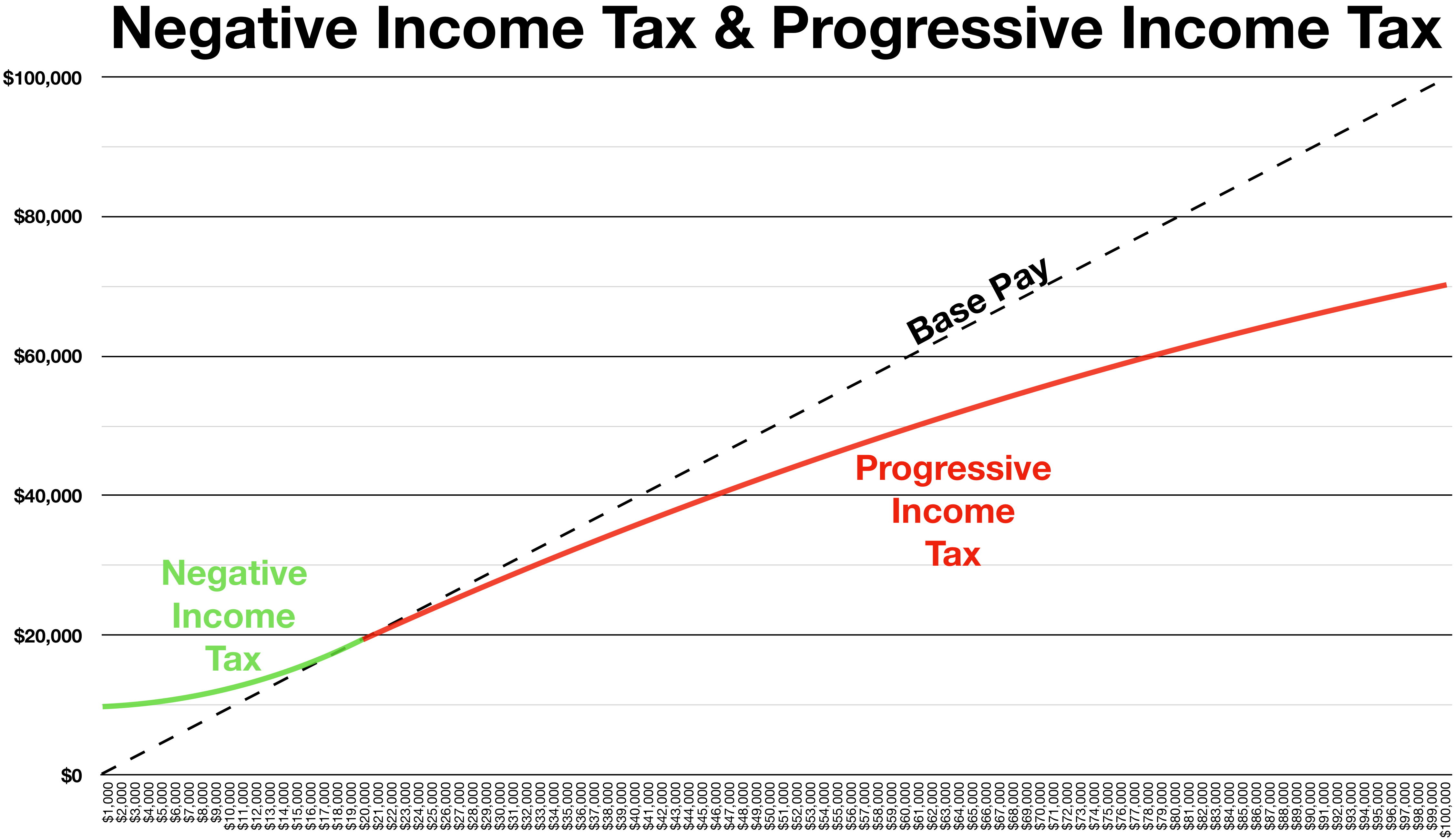
Key people — Key people involved in the development of tax laws and regulations for self-employment include Milton Friedman, who advocated for a negative income tax, and Juliet Rhys-Williams, who proposed the concept of a negative income tax. Other notable individuals include James Tobin and Joseph A. Pechman, who have written extensively on the topic of taxation and self-employment.
🌍 Cultural Impact & Influence
Cultural impact — The gig economy and the increasing number of self-employed individuals has had a significant impact on the culture and society. Self-employment has become a viable option for many individuals, providing flexibility and autonomy. The IRS is expected to continue to update and refine its guidelines for self-employment taxes.
⚡ Current State & Latest Developments
Current state — The current state of tax implications for self-employment is complex and constantly evolving. Self-employed individuals must stay informed about the latest tax developments and seek professional advice when needed. The IRS has established guidelines for self-employment taxes, including the requirement to file a Schedule C (Form 1040).
🤔 Controversies & Debates
Controversies — One of the controversies surrounding tax implications for self-employment is the issue of tax audits. Self-employed individuals are more likely to be audited by the IRS, and the process can be time-consuming and costly. Another controversy is the issue of tax deductions, with many self-employed individuals unsure about what expenses are deductible and what are not.
🔮 Future Outlook & Predictions
Future outlook — The future outlook for tax implications of self-employment is uncertain, with many changes on the horizon. The IRS is expected to continue to update and refine its guidelines for self-employment taxes, and self-employed individuals must stay informed about the latest developments.
💡 Practical Applications
Practical applications — Self-employed individuals can take several steps to navigate the tax implications of self-employment. First, they should keep accurate records of their business expenses and income, using software solutions like QuickBooks or Xero. Second, they should consult with a tax professional or accountant to ensure they are taking advantage of all available tax deductions and credits. Finally, they should stay informed about the latest tax developments and updates from the IRS.
Key Facts
- Year
- 2020
- Origin
- United States
- Category
- tax-laws
- Type
- concept
Frequently Asked Questions
What are the tax implications of self-employment?
The tax implications of self-employment include the deduction of business expenses and the payment of self-employment taxes.